Back
2026-04-09/Drew Hanover
The Top 5 Sawmill Equipment Failures and How to Get Ahead of Them
We've watched a lot of sawmills go down. Not all at once. Usually one piece of equipment at a time, in ways that were entirely predictable.
Across our customer base, a handful of failure modes show up again and again. The same components. The same patterns. The same blind spots in maintenance programs.
This is our list of the five most common equipment failures we see in sawmills, and what your crew can do to get ahead of each one.
1. Gang Saw Arbor Bearings
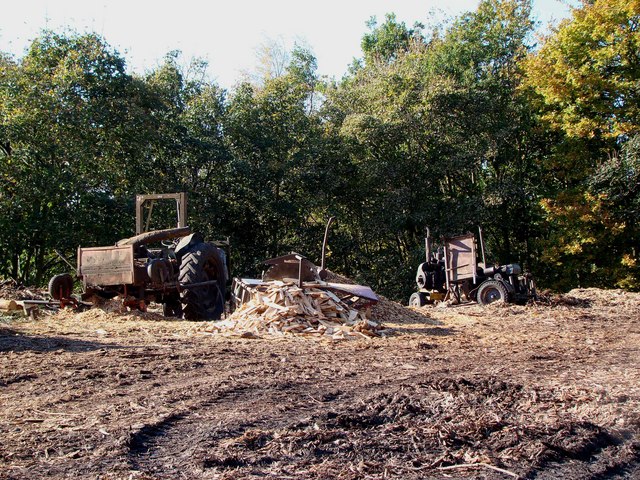
Photo: David Rogers / Grantley Saw Mill / CC BY-SA 2.0
The gang saw arbor bearing is one of the most loaded components in the mill. It runs hard, it runs hot, and when it starts to go, it doesn't give you much warning.
Arbor bearings fail for a few reasons. Overloading is common. Inadequate lubrication is more common. And sometimes the bearing just hits the end of its service life without anyone noticing the gradual temperature rise that preceded it.
What failure looks like: The bearing gets noisy. Vibration increases. The saw starts running out of true. By the time operators feel it in the floor, you're hours away from a forced shutdown or worse.
How to stay ahead of it:
- Check bearing temperatures at every shift using a handheld infrared thermometer at minimum
- Follow the manufacturer's lubrication interval. Do not extend it
- Log your readings. A slow upward trend over two weeks is the real signal
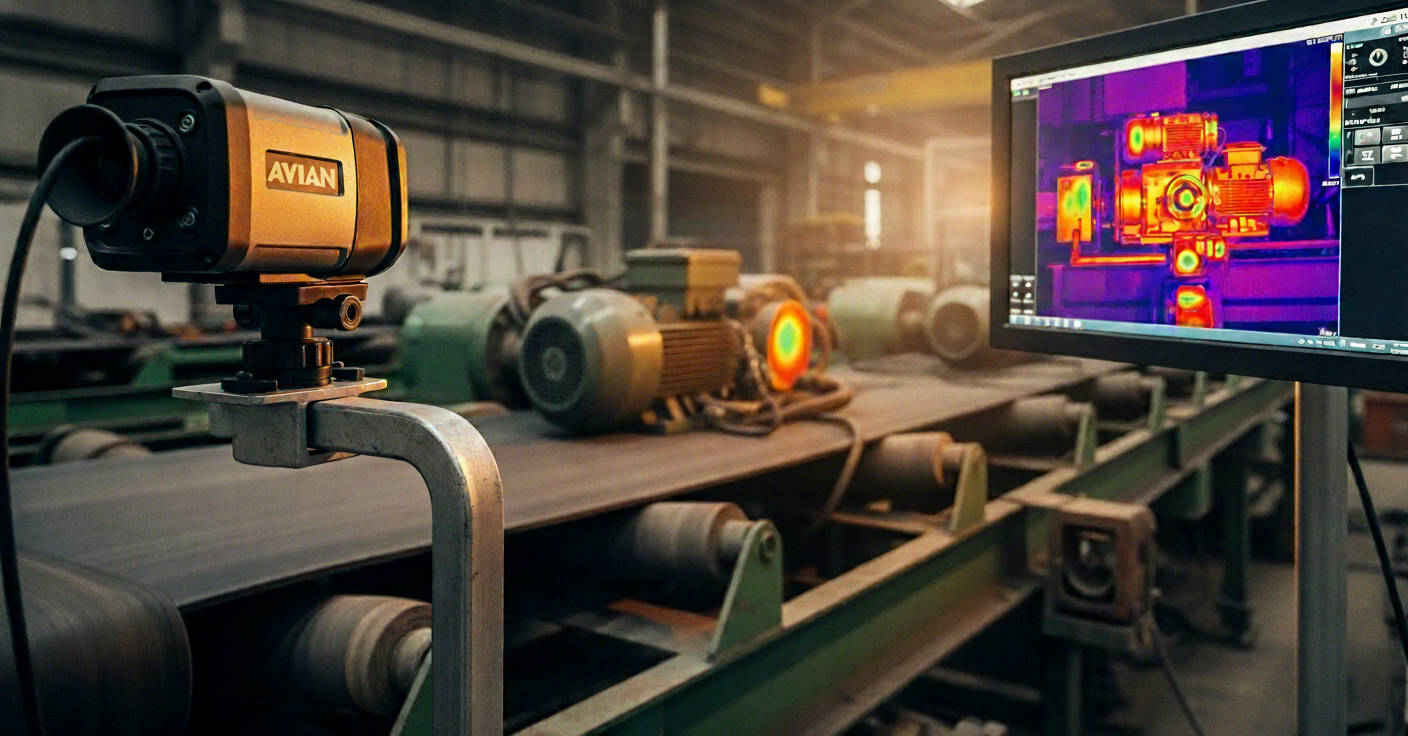
- Mount a fixed thermal camera on the arbor housing. You'll catch a bearing going warm long before your maintenance crew can schedule a walkdown
Arbor bearing replacements are expensive. The downtime to rebuild an arbor is worse. The fire risk from a seized bearing surrounded by sawdust is the real reason to take this seriously.
2. Thermal Oil and Hydraulic Pumps
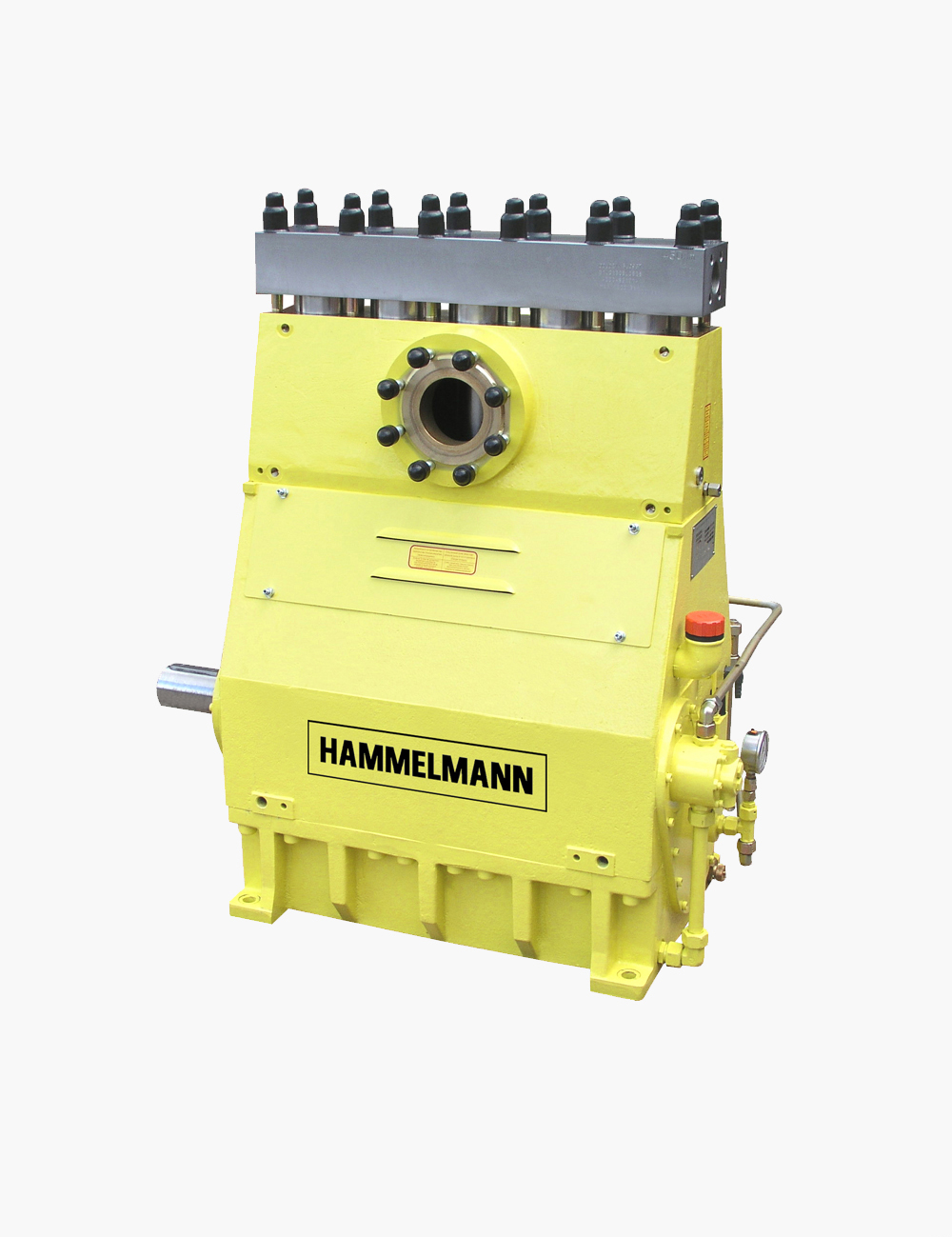
Photo: Hammelmann Oelde / Wikimedia Commons / CC BY-SA 3.0
Hydraulic and thermal oil systems are the circulatory system of a modern sawmill. The pumps that drive them are working every minute the mill is running.
We've seen hydraulic pump failures cause fires. The Katahdin Forest Products fire in Maine in August 2024 started with a hydraulic pump motor, and the entire two-story sawmill burned to the ground. The building was uninsured.
That's not an anomaly. Pump failures combined with hot surfaces and sawdust are a reliable recipe for disaster.
Common causes of pump failure:
- Contaminated fluid degrading seals and pump internals
- Overheating from restricted cooling, blocked filters, or operating above rated load
- Cavitation from low reservoir levels or inlet restrictions
- Deferred seal and hose maintenance
How to stay ahead of it:
- Sample hydraulic fluid quarterly. Particle counts tell you what's happening inside the pump before it fails
- Check fluid temperature during normal operations. Sustained temps above your system's rated range are a warning
- Inspect all hoses and fittings monthly. Replace hoses on a scheduled interval, not when they burst
- Keep a thermal camera on the pump body and motor. A pump running 20 degrees hotter than its baseline is asking for attention
3. Conveyor Bearings in Low-Traffic Areas
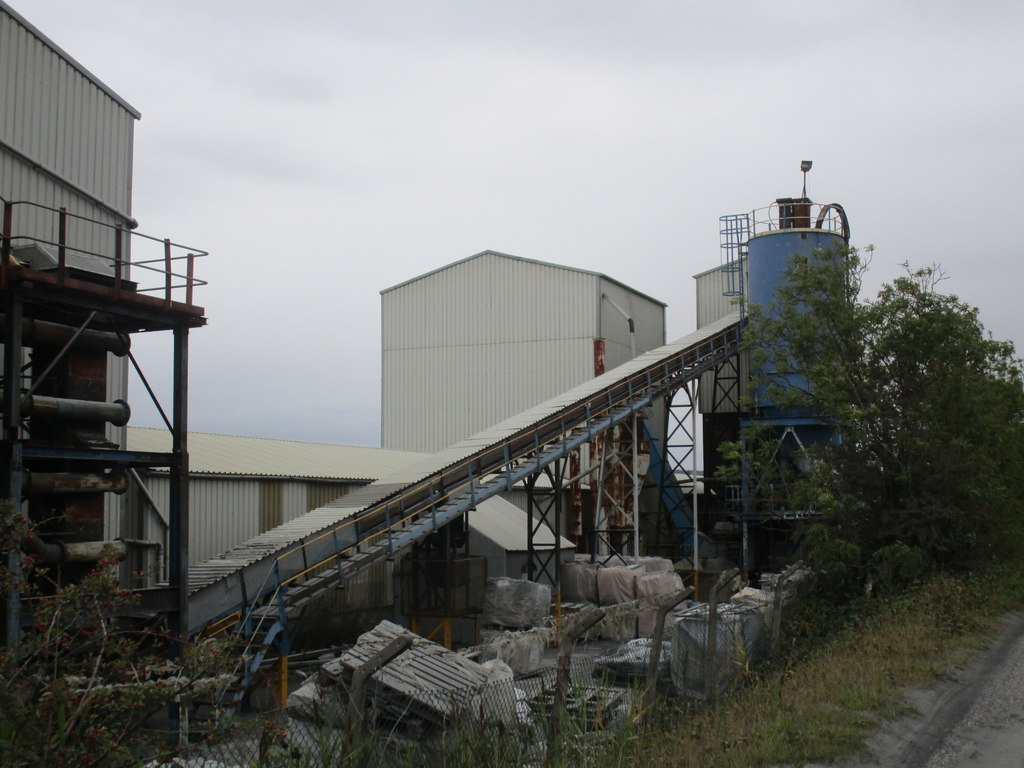
Photo: Jonathan Thacker / Hodge Clemco plant, Melton / CC BY-SA 2.0
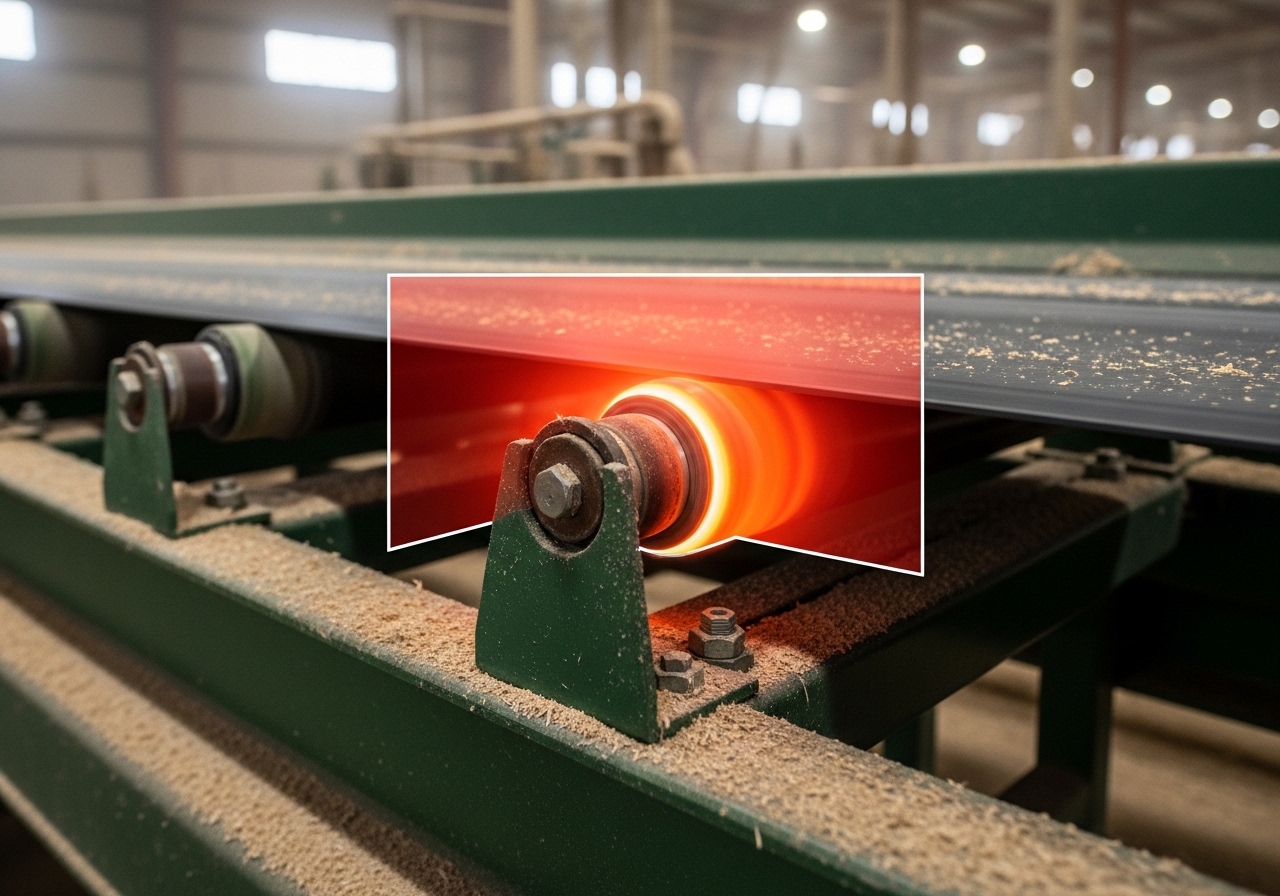
This is the one that gets people. Not the bearings on the main green chain where someone walks by every hour. The ones at the far end of the chip conveyor. The bearing on the bark discharge run that nobody checks unless something is wrong.
Out-of-the-way conveyors are where deferred maintenance goes to become failures. Sawdust builds up around the bearing housing. The grease interval gets skipped because the conveyor is running fine. The bearing runs dry for six months before it starts to make noise.
By then, you're dealing with a seized idler, a burned belt, or a fire.
How to stay ahead of it:
- Map every conveyor bearing in the mill. Every single one. If you don't have a list, make one this week
- Assign a specific inspection frequency to each bearing based on its load and criticality
- Use a grease gun with a counter so you know how much is going in, not just that someone hit it
- For conveyors you can't easily walk down, point a thermal camera at the bearing zones. You'll know in seconds if something is running hot, without sending someone into a confined area at 2 AM
The cost of a conveyor bearing is nothing. The cost of the fire it starts is everything.
4. Auxiliary Blowers for Dust Extraction
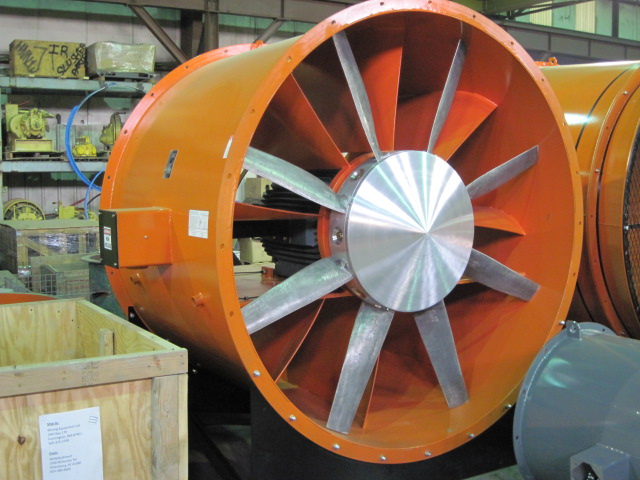
Photo: Jason Comely / Flickr / CC BY 2.0
Dust extraction blowers are safety equipment masquerading as utility equipment. Their job is to move combustible dust out of the building. When they fail, the dust stays.
Auxiliary blowers fail quietly. The fan wheel loses balance from material buildup. The motor runs hotter because it's fighting a plugged duct. The bearing on the inlet side starts running dry. None of this trips an alarm. The blower just slowly stops doing its job.
You don't notice until someone complains about air quality, or until you're looking at a dust fire that should have been extracted thirty minutes ago.
How to stay ahead of it:
- Inspect fan wheels monthly for material buildup. An out-of-balance wheel accelerates bearing wear and puts stress on the motor shaft
- Check static pressure across the blower at each inspection. A drop in differential pressure means the system isn't moving air the way it should
- Listen for changes in tone. A blower that's developing bearing problems usually changes pitch before it fails
- Monitor motor and bearing temperatures continuously. A motor that's running 15 degrees hotter than last month is either working harder or losing efficiency
A blower failure isn't just a maintenance problem. It's a fire risk. Treat it that way.
5. Planer Guide Bars, Arbor Bearings, and Worn Cutting Heads
Photo: Zesa / Wikimedia Commons / CC BY-SA 3.0
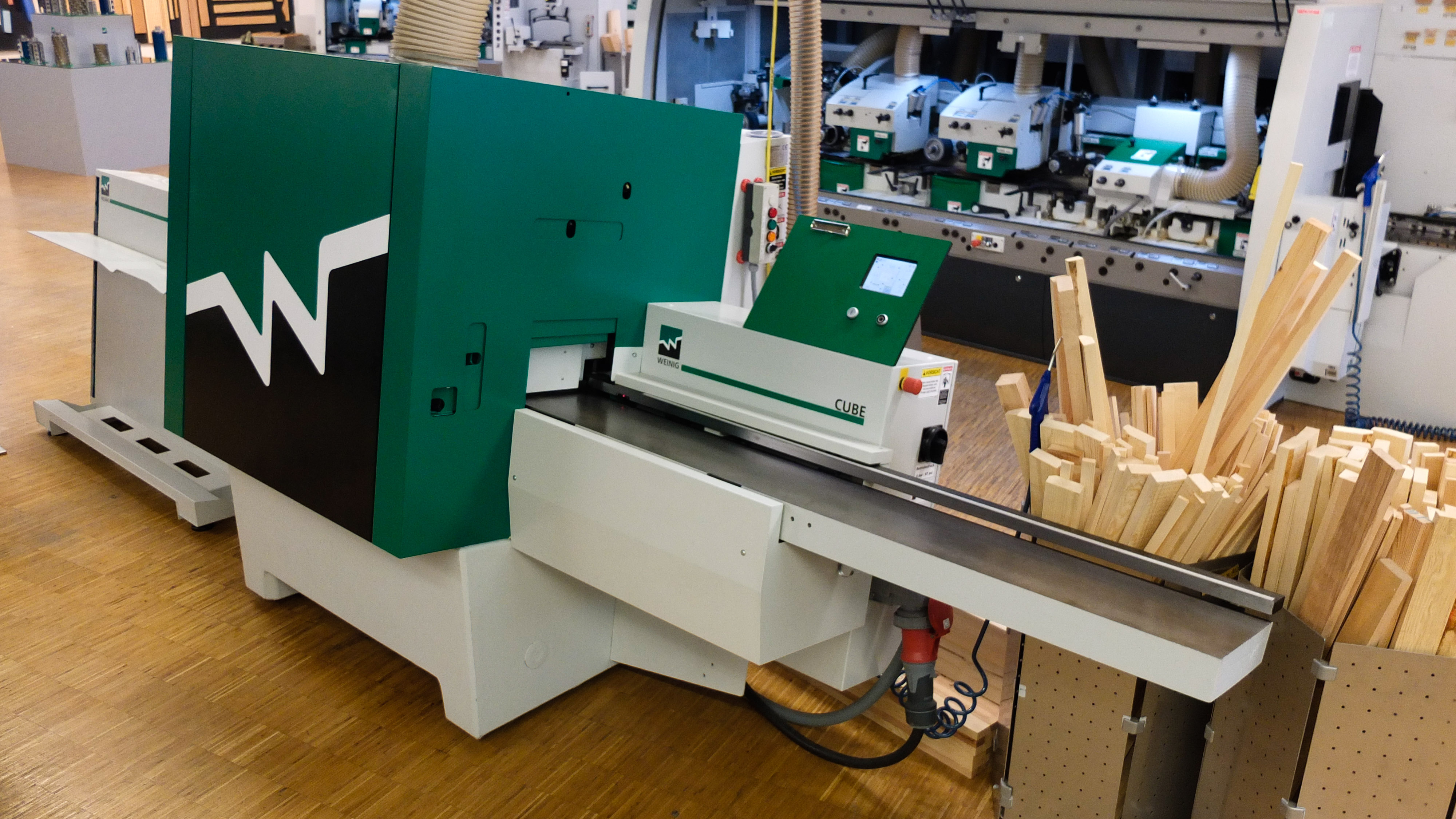
The planer room generates more heat per square foot than anywhere else in the mill. Cutting heads spinning at high speed, chip extraction working at full capacity, lumber moving through at production speed. Everything in the planer is running close to its limits.
Guide bars wear gradually. Cutting heads dull or chip. Arbor bearings on the planer run hard, just like on the gang saw. The difference is that the planer room is usually noisier, dustier, and less carefully watched.
We've written before about why standing in a planer room is a bad idea. The conditions that make it dangerous for people are the same conditions that make equipment failures hard to catch early.
Common failure patterns:
- Guide bars that are out of tolerance force the lumber to flex, putting side load on the cutting head bearings
- Worn cutting heads throw more heat into the workpiece and the surrounding air. That extra heat has to go somewhere
- Planer arbor bearings that are running warm often go undetected because the ambient temperature in a planer room is already elevated
How to stay ahead of it:
- Check guide bar clearances on a weekly schedule. Replace on wear, not on calendar
- Rotate cutting heads on a defined schedule tied to board-feet of production, not just time
- Keep a dedicated thermal camera on the planer arbor housing. Planer fires are among the most expensive fires in the lumber industry, and most of them announce themselves with elevated temperatures well before ignition
- Log planer room baseline temperatures by shift so you can identify meaningful deviations
The Common Thread
Every failure on this list shares one characteristic. It builds slowly. Temperatures rise a few degrees per week. Lubrication diminishes gradually. Wear accumulates over months.
None of these failures are invisible. They all produce heat before they produce consequences. The problem is that your maintenance crew cannot be everywhere at once, and the areas that matter most are often the hardest to get to.
That's where continuous thermal monitoring changes the equation. An AVIAN camera pointed at a critical bearing housing logs temperature trends around the clock. It doesn't get tired, it doesn't miss the Saturday night shift, and it doesn't need to be physically at the bearing to know something is changing.
When a bearing starts trending upward over 72 hours, AVIAN sends an alert. Your crew investigates on their schedule, on a planned shutdown, before the failure cascades into something worse.
The maintenance work is still yours to do. AVIAN just makes sure you don't miss the signal.
If you want to understand where thermal monitoring fits in your specific operation, get in touch with our team. We'll walk through your facility layout and identify the highest-risk points worth watching first.
Drew Hanover
CTO & Co-Founder