Mining
Catch conveyor, idler, and drive heat before a remote failure costs you $1,800 a minute
AVIAN delivers continuous thermal monitoring of conveyor infrastructure, drives, and transfer points — condition-based alerts on idler seizure, bearing heat, and friction events before they become belt fires or production shutdowns.
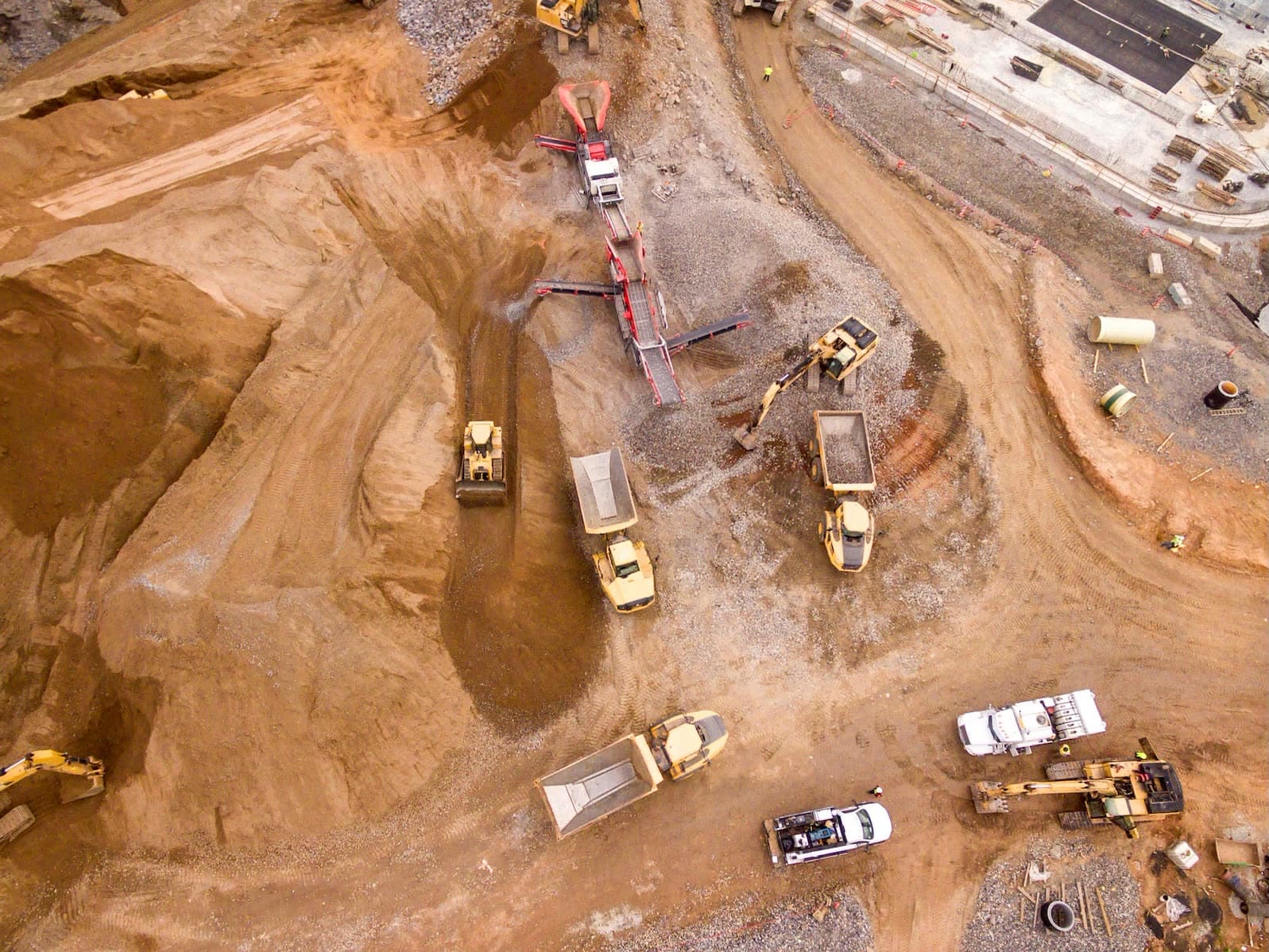
A single conveyor failure can cost more per minute than the equipment is worth
Transfer stations account for 80–90% of all belt failures in mining. A seized idler generates enough friction to ignite coal dust or destroy belt sections in seconds.
$1,800+/min
unplanned conveyor downtime cost in lost production
80–90%
of belt failures occur at transfer stations
Where seized idlers and friction turn into belt fires and production shutdowns
In mining, failures start in remote structures and moving equipment. The goal is to catch them while the event is still isolated and controllable — before the belt is destroyed.
Conveyor idler and roller seizure
A seized idler creates friction with the moving belt that can reach ignition temperature. AVIAN flags the thermal trend before the roller reaches red-hot.
Belt fires at transfer stations
Transfer points concentrate friction, misalignment, and material buildup. Heat at a transfer station can destroy belt in seconds and spread into surrounding infrastructure.
Drive and motor overheating
Motors, gearboxes, and drives in remote locations can overheat for hours before a manual inspection finds them. By then, the belt is damaged and the line is down.
Dust ignition in enclosed conveyors
Coal dust and mineral fines in enclosed conveyor structures can ignite from a single hot component. Thermal monitoring adds a detection layer in the spaces that are hardest to walk.
Where seized idlers and friction turn into belt fires and production shutdowns
In mining, failures start in remote structures and moving equipment. The goal is to catch them while the event is still isolated and controllable — before the belt is destroyed.
Conveyor idler and roller seizure
A seized idler creates friction with the moving belt that can reach ignition temperature. AVIAN flags the thermal trend before the roller reaches red-hot.
Belt fires at transfer stations
Transfer points concentrate friction, misalignment, and material buildup. Heat at a transfer station can destroy belt in seconds and spread into surrounding infrastructure.
Drive and motor overheating
Motors, gearboxes, and drives in remote locations can overheat for hours before a manual inspection finds them. By then, the belt is damaged and the line is down.
Dust ignition in enclosed conveyors
Coal dust and mineral fines in enclosed conveyor structures can ignite from a single hot component. Thermal monitoring adds a detection layer in the spaces that are hardest to walk.
From the field
Recent case studies
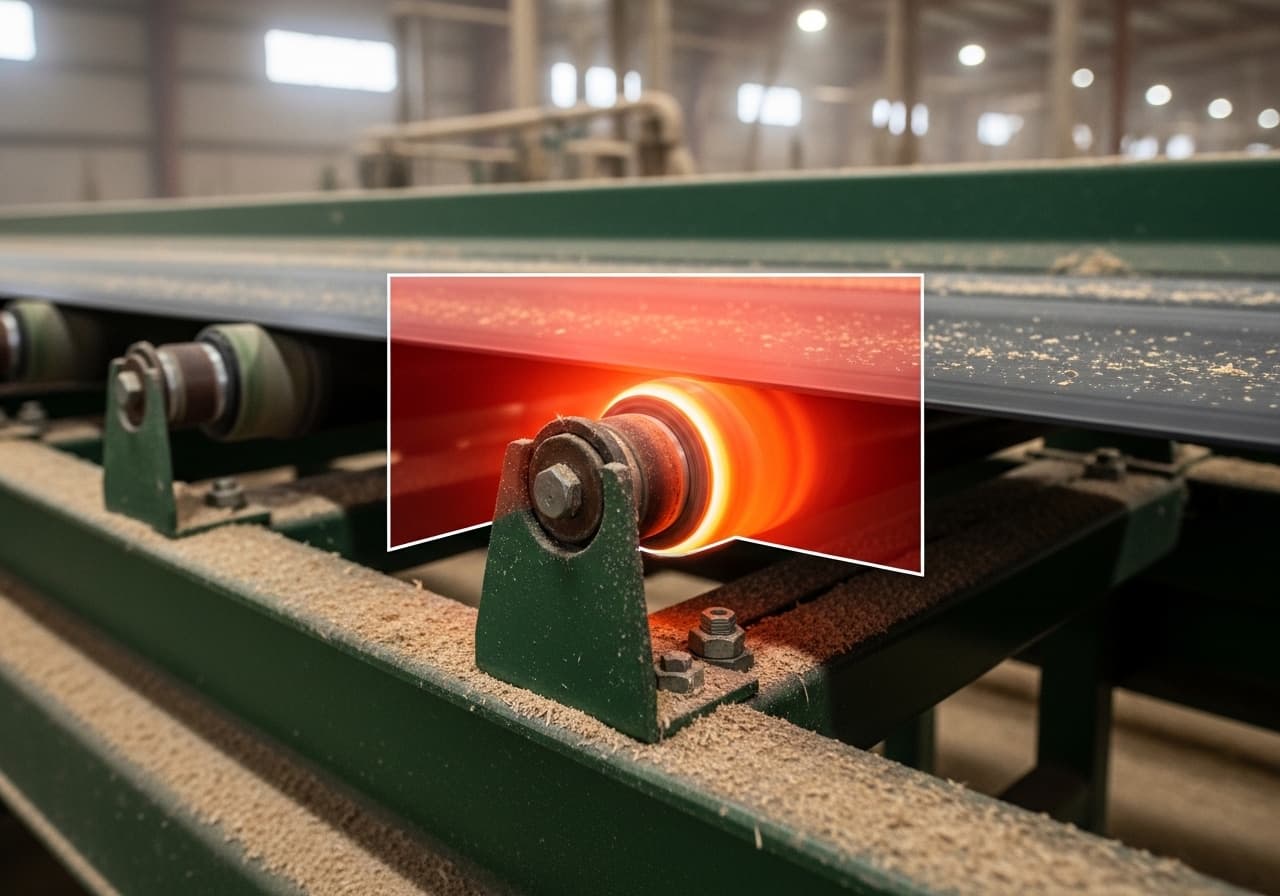
Conveyor Belt Misalignment: Infrared Monitoring Spots It Early
A belt that walks offcenter does not fail all at once. It rubs. Idlers run hot. The edge wears. Then you are buying new belting, paying overtime, and explaining lost output to the people upstairs.
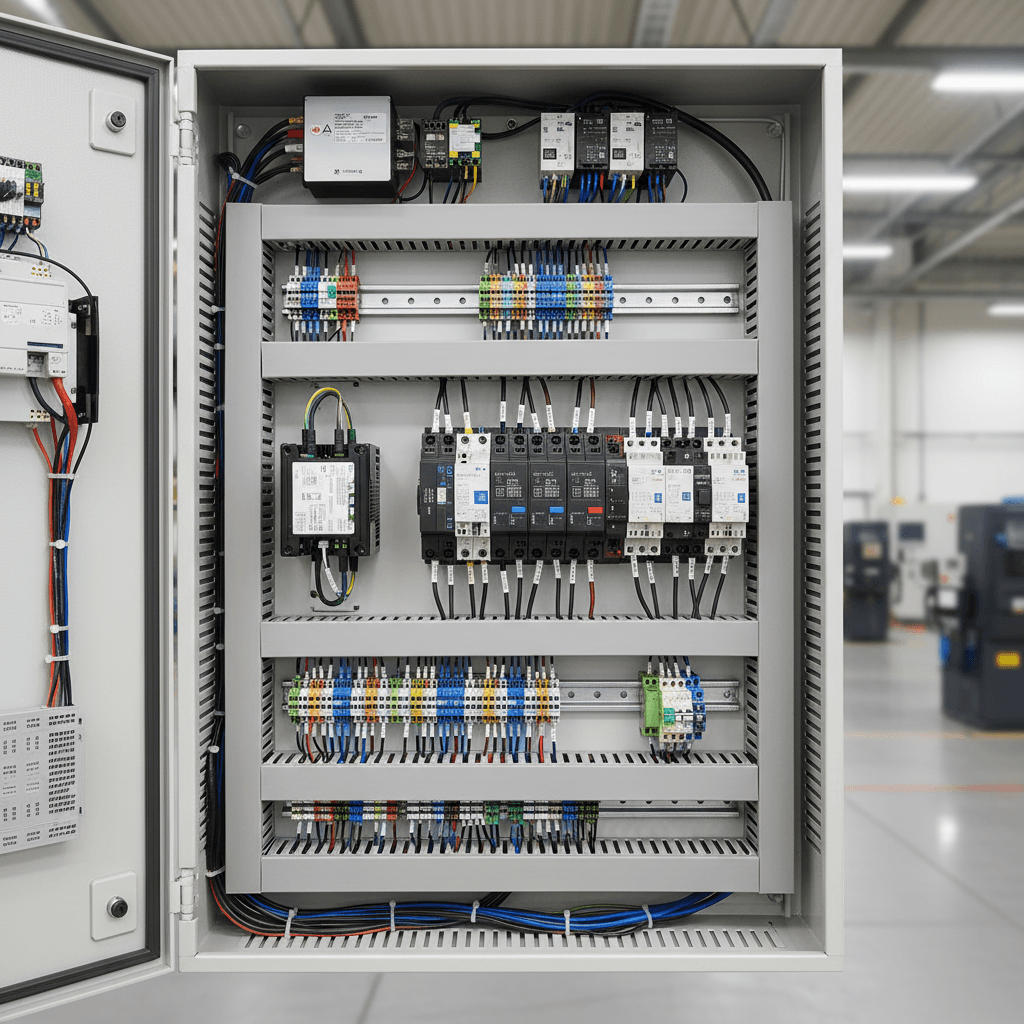
How PLC Auto Stops Work with AVIAN Thermal Cameras
Most autostop conversations start in the wrong place.
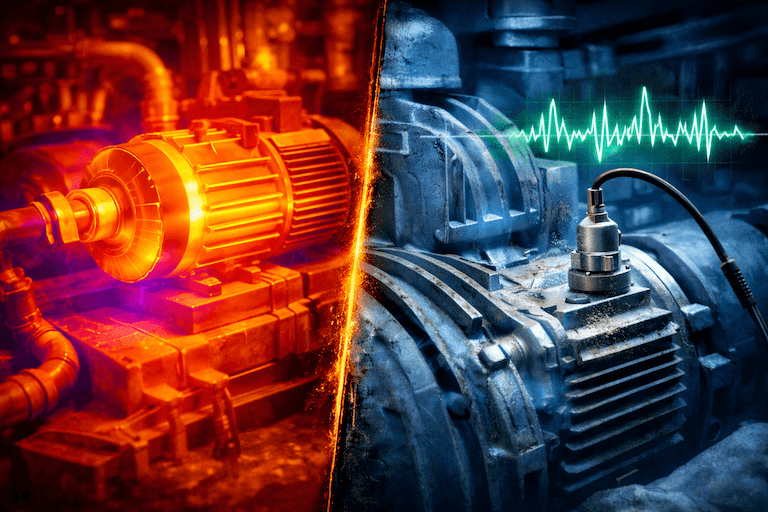
Thermal Imaging vs. Vibration Sensors: What They Miss
Vibration monitoring has been the standard for predictive maintenance in heavy industry for decades. Companies like Waites and AssetWatch have built strong businesses around it. Attach a sensor to a motor. Measure vib...
Our Mining Package
One system watching your conveyors, drives, and transfer stations across the site.
Built for mining operations that need earlier warning on heat events across long conveyor runs, remote transfer stations, and drive houses.
Coverage
Cover conveyor runs, transfer stations, and remote drive houses across the entire operation
Thermal cameras are positioned across conveyor galleries, transfer stations, drive houses, and critical equipment — focused on the zones that are hardest to supervise and most expensive when they fail.
Detection
Catch idler seizure and friction heat before it becomes a belt fire
AVIAN tracks thermal behavior across your conveyor infrastructure so a seized idler, overheating drive, or friction event is flagged while the fix is still a dispatch — not a shutdown.
Response
Route alerts to your control room fast — no matter how far the problem is from the operator
Your team gets setup support, alerting, and ongoing tuning so heat events are escalated quickly — without waiting for someone to physically reach the structure and confirm the problem.
Core AVIAN workflows
Go deeper on how AVIAN turns heat into action
AI thermal anomaly detection
How AVIAN spots abnormal heat before it becomes downtime or fire.
Thermal monitoring integrations
How alerts fit operator, maintenance, reporting, and control workflows.
Fire prevention and predictive maintenance
Why the same heat signal supports safety and reliability teams.