Lithium Refining & Battery Materials Processing
Catch retained heat in cooldown zones before it becomes a safety event or shutdown
In lithium processing, the problem is often not the hottest moment. It's the heat that stays in material, equipment, or a transfer zone longer than it should. AVIAN delivers continuous critical asset monitoring across cooldown zones, kilns, and material-handling lines so operators can intervene before the issue grows.
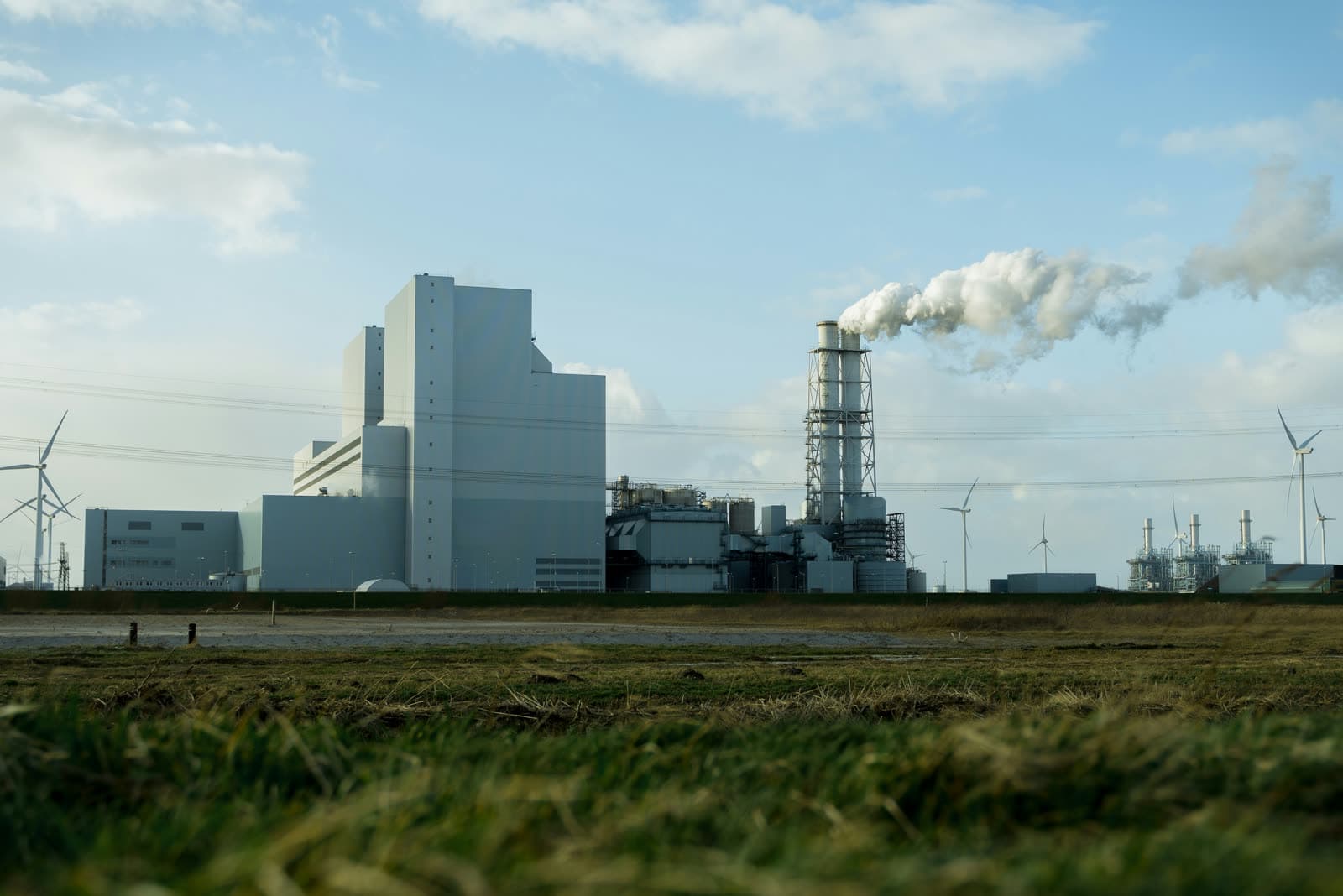
The risky part can start after the hot step ends
Manual checks leave gaps during cooldown and handoff periods. If temperature is not falling the way it should, teams need to see that early, not on the next round.
1,200–2,700°C
temperatures reached during lithium-ion thermal runaway
Where heat that should be falling becomes the real problem
In these operations, some zones are supposed to cool in a controlled way. When material or equipment stays hot longer than expected, the problem can grow quietly through shift changes and handling steps.
Abnormal cooldown behavior
If material or equipment is holding heat longer than the process window allows, operators need to know immediately. AVIAN highlights that deviation before it becomes a safety issue or forces an unplanned stop.
Delayed ignition and secondary heat events
A zone that looks stable at the end of a hot step can keep building heat afterward. Continuous thermal monitoring helps teams catch re-heating or delayed ignition before emergency response is involved.
Process equipment and drives
Motors, cabinets, and rotating equipment still create ordinary heat risk around the process. AVIAN helps separate normal operating temperature from the kind of drift that points to wear, overload, or failing components.
Off-shift monitoring gaps
Cooldown periods don't pause for shift changes. Thermal monitoring keeps watching through the hours when manual temperature checks are least frequent and retained heat is most dangerous.
Where heat that should be falling becomes the real problem
In these operations, some zones are supposed to cool in a controlled way. When material or equipment stays hot longer than expected, the problem can grow quietly through shift changes and handling steps.
Abnormal cooldown behavior
If material or equipment is holding heat longer than the process window allows, operators need to know immediately. AVIAN highlights that deviation before it becomes a safety issue or forces an unplanned stop.
Delayed ignition and secondary heat events
A zone that looks stable at the end of a hot step can keep building heat afterward. Continuous thermal monitoring helps teams catch re-heating or delayed ignition before emergency response is involved.
Process equipment and drives
Motors, cabinets, and rotating equipment still create ordinary heat risk around the process. AVIAN helps separate normal operating temperature from the kind of drift that points to wear, overload, or failing components.
Off-shift monitoring gaps
Cooldown periods don't pause for shift changes. Thermal monitoring keeps watching through the hours when manual temperature checks are least frequent and retained heat is most dangerous.
From the field
Recent case studies
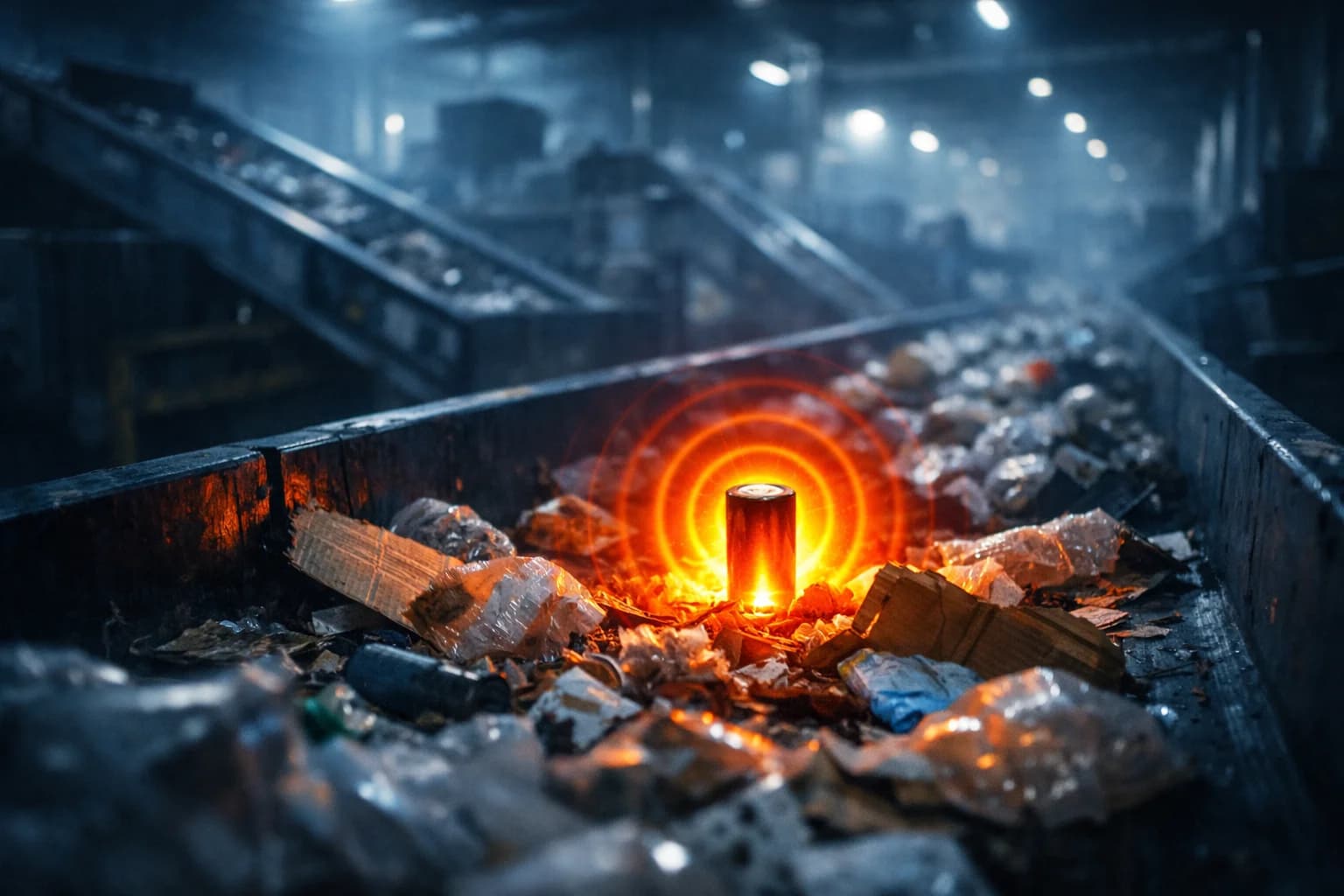
Lithium-Ion Fire Risk: New Standard for Recycling Plant Safety
There's a fire burning at a recycling facility right now. Statistically, there's probably several.

Why Recycling Plant Fires Happen at Night
The most dangerous hours at your facility are the ones where nobody is watching.
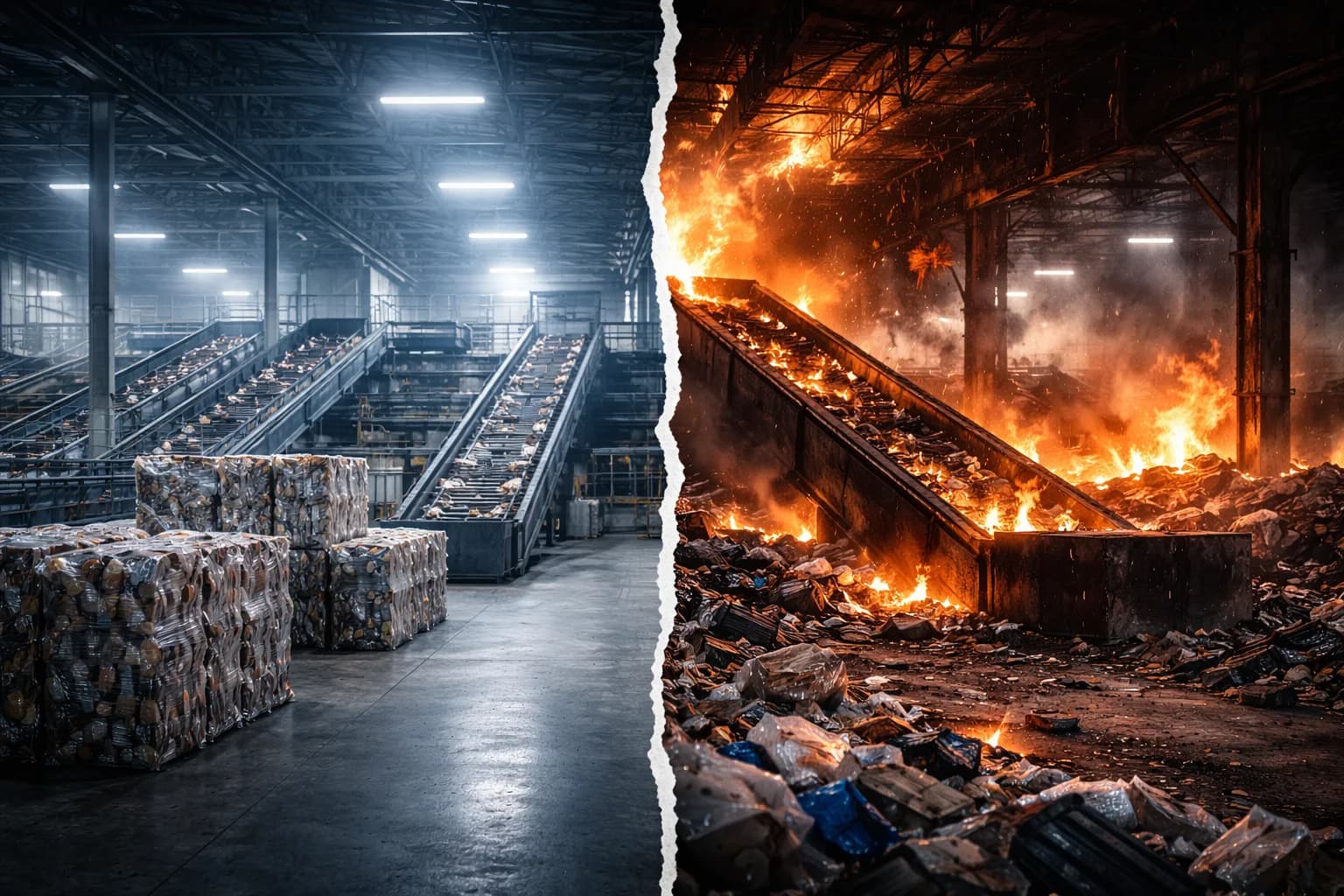
Recycling Fire Insurance Crisis: What Operators Pay Now
If you run a recycling or waste processing facility, your insurance renewal letter has probably given you a heart attack recently.
Our Lithium Processing Package
Continuous visibility through cooldown and post-process handling.
Built for operators who need to know whether heat is dropping the way it should in cooldown zones, process equipment, and material handling areas.
Coverage
Watch cooldown zones, process equipment, and post-process material flow continuously
Thermal cameras are placed around the areas where temperature should decline in a controlled way. If material or equipment starts holding heat longer than expected, operators see it without waiting for the next manual check.
Detection
Spot retained heat and re-heating before they become a safety issue
AVIAN tracks how long heat persists and whether it starts climbing again, so abnormal behavior is caught before it turns into a shutdown, damaged material, or emergency response.
Response
Escalate abnormal temperature trends during cooldown and handoff
Alerts can be routed to the operators responsible for the area, with thermal records that help teams decide whether to hold material, inspect equipment, or stop the next step.
Core AVIAN workflows
Go deeper on how AVIAN turns heat into action
AI thermal anomaly detection
How AVIAN spots abnormal heat before it becomes downtime or fire.
Thermal monitoring integrations
How alerts fit operator, maintenance, reporting, and control workflows.
Fire prevention and predictive maintenance
Why the same heat signal supports safety and reliability teams.