Electric Bus Depots & Fleet Charging
Catch charger faults and battery heat before overnight charging puts the morning pullout at risk
AVIAN delivers continuous critical asset monitoring across chargers, parked buses, and electrical equipment through the night — condition-based thermal alerts that reach your team while a battery or charger fault is still isolated, before it spreads, damages vehicles, or leaves buses unready for service.
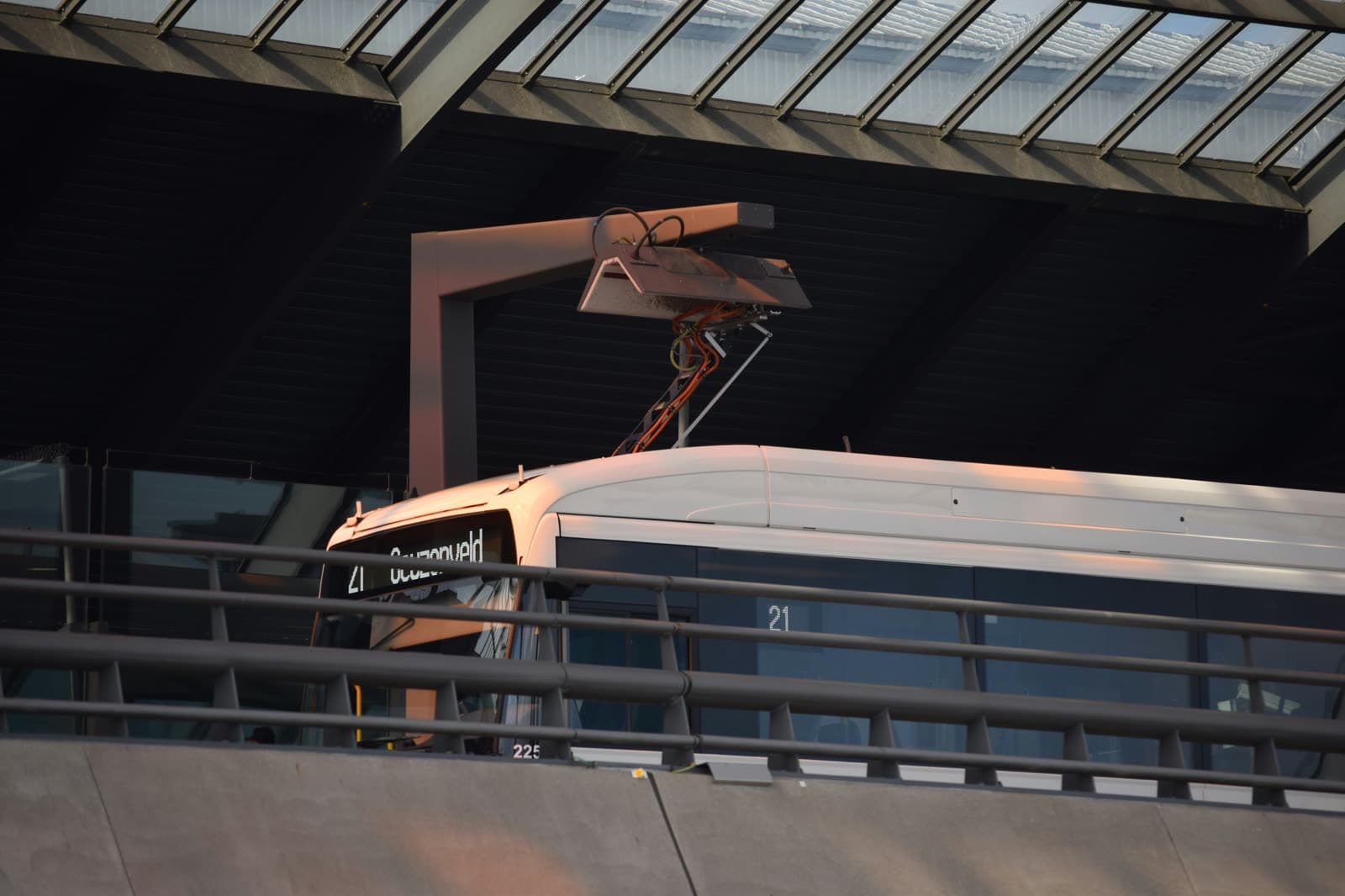
The highest-risk charging window starts after the depot quiets down
The problem is not just heat. It is heat building while buses are parked, chargers stay energized, and few people are around to spot it. One battery ignition or overheated charger can damage nearby vehicles before anyone gets eyes on it.
18–30%
of electric vehicle fires start during or just after charging
40 buses
damaged from a single depot battery ignition — SEPTA, June 2025
What can overheat while the depot sleeps
The failure modes are different, but the operating problem is the same. Heat builds overnight in areas nobody can watch continuously. Thermal monitoring helps you catch it before it turns into a fire, an outage, or a lost bus for the morning pullout.
Vehicle battery events
A bus that stays hotter than expected after a route or during charging can move toward thermal runaway while it sits parked. AVIAN highlights abnormal heat early enough for the vehicle to be isolated and inspected.
Charger and dispenser overheating
Loose connections, stressed cables, and failing components can push heat into the charger head or cabinet. Catching it early helps prevent equipment damage, charging interruptions, and ignition next to parked buses.
Power cabinets and switchgear
Switchgear, distribution panels, and power cabinets carry the overnight load for the whole depot. A hotspot caught early is planned maintenance. Miss it, and you may lose chargers or an entire section of the depot.
Outdoor depot conditions
Open lots, bad weather, and low overnight staffing make walk-by checks unreliable. Thermal monitoring keeps watch in the dark and across large parking areas without sending people outside to hunt for the problem.
What can overheat while the depot sleeps
The failure modes are different, but the operating problem is the same. Heat builds overnight in areas nobody can watch continuously. Thermal monitoring helps you catch it before it turns into a fire, an outage, or a lost bus for the morning pullout.
Vehicle battery events
A bus that stays hotter than expected after a route or during charging can move toward thermal runaway while it sits parked. AVIAN highlights abnormal heat early enough for the vehicle to be isolated and inspected.
Charger and dispenser overheating
Loose connections, stressed cables, and failing components can push heat into the charger head or cabinet. Catching it early helps prevent equipment damage, charging interruptions, and ignition next to parked buses.
Power cabinets and switchgear
Switchgear, distribution panels, and power cabinets carry the overnight load for the whole depot. A hotspot caught early is planned maintenance. Miss it, and you may lose chargers or an entire section of the depot.
Outdoor depot conditions
Open lots, bad weather, and low overnight staffing make walk-by checks unreliable. Thermal monitoring keeps watch in the dark and across large parking areas without sending people outside to hunt for the problem.
From the field
Recent case studies
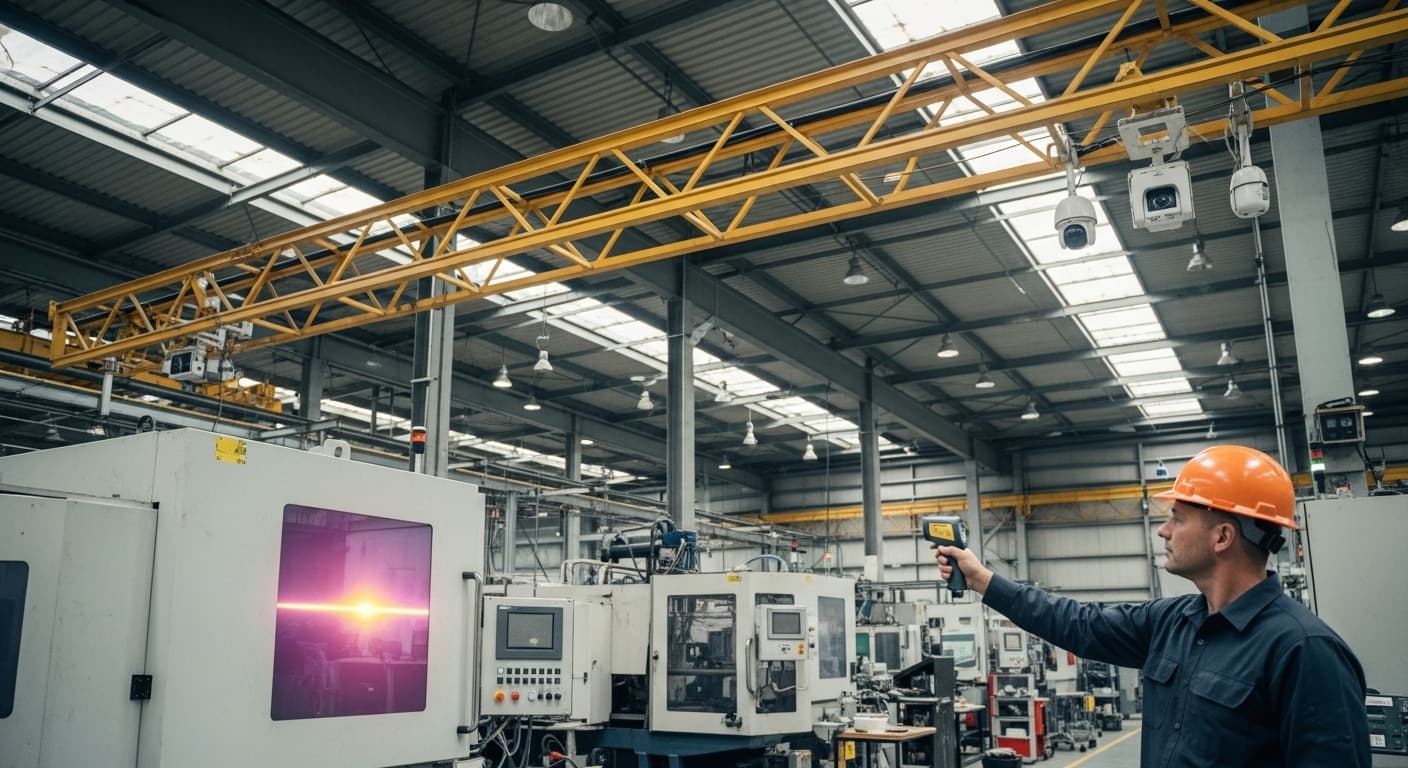
Handheld FLIR vs. Fixed Thermal Monitoring
"We already have FLIR."
FLIR vs. AVIAN for Industrial Thermal Monitoring
If you're looking into thermal monitoring for your facility, you've probably come across FLIR. They're the biggest name in thermal imaging, and for good reason. They make excellent cameras.
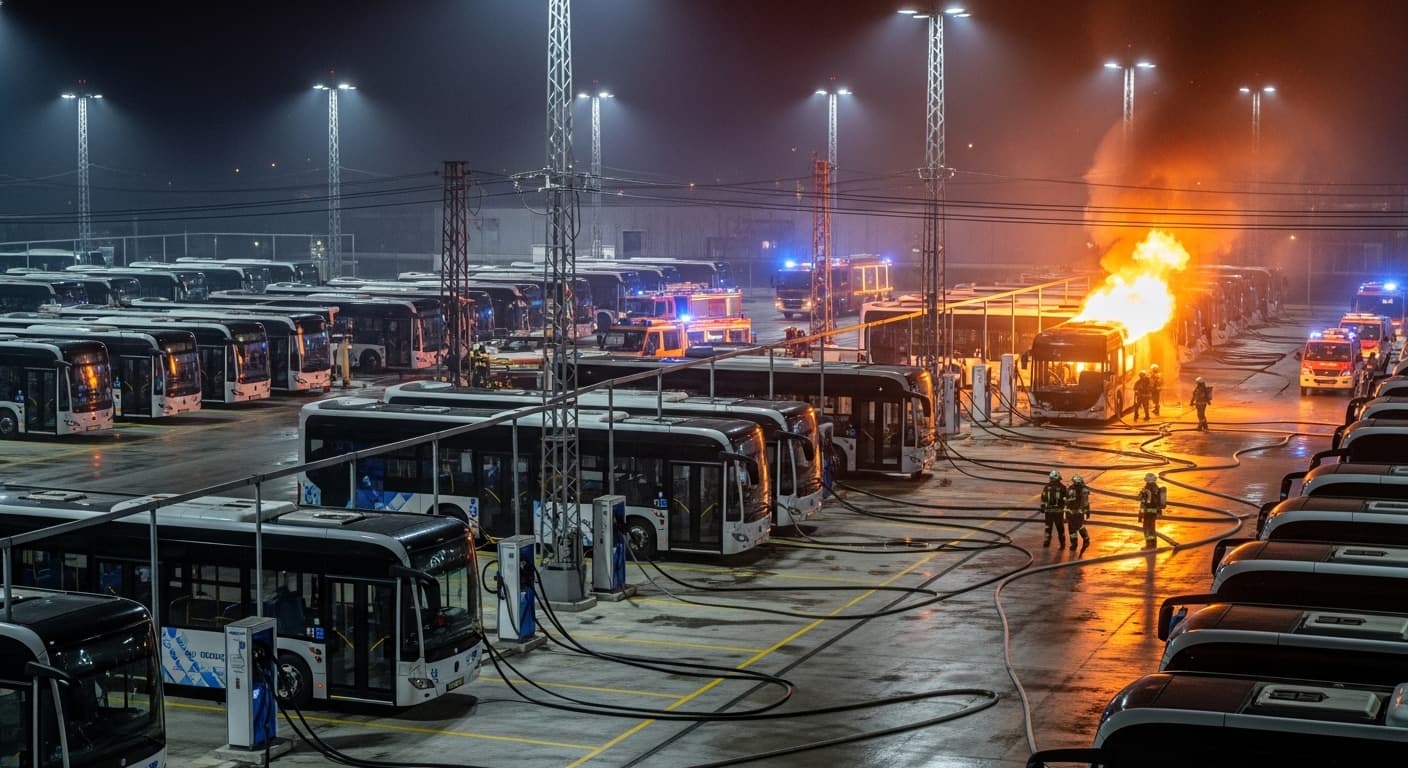
Electric Bus Charging Depot Fire Risk: What's Hidden Inside
On June 5, 2025, a fire broke out at a Philadelphia bus yard before sunrise. By the time crews had it under control, 40 buses were damaged and 16 were destroyed. It took 150 firefighters. The cause: a lithiumion batte...
Our Depot Monitoring Package
Cover the equipment that decides whether buses leave on time
Designed for fleet and depot teams that need continuous thermal coverage across chargers, parked vehicles, and energized electrical equipment during the overnight charge window.
Coverage
Monitor charger rows, parked buses, and power gear in one view
Thermal cameras are placed across charger rows, parking lanes, and electrical rooms so your team can see the zones most likely to develop heat-related failures overnight without relying on patrols.
Detection
Catch abnormal heat before alarms, smoke, or charger failures
AVIAN tracks temperature behavior across buses, chargers, and electrical infrastructure to surface retained battery heat, overloaded charging equipment, and developing electrical faults before they turn into visible damage or a service-impacting event.
Response
Send the right alert to the right person overnight
Alerts can be routed to maintenance, security, or on-call operations so the right person sees the issue quickly even when the depot is lightly staffed and the morning pullout is only hours away.
Core AVIAN workflows
Go deeper on how AVIAN turns heat into action
AI thermal anomaly detection
How AVIAN spots abnormal heat before it becomes downtime or fire.
Thermal monitoring integrations
How alerts fit operator, maintenance, reporting, and control workflows.
Fire prevention and predictive maintenance
Why the same heat signal supports safety and reliability teams.